 Anton Scalia has raised a ruckus with his statement that the Fourteenth Amendment does not protect women or GLBTQ folks from discrimination. I will leave to those more knowledgeable to parse the legal questions. What I found troubling were certain underlying assumptions embedded in the language of the question and Scalia's response. Here is the text of the question:
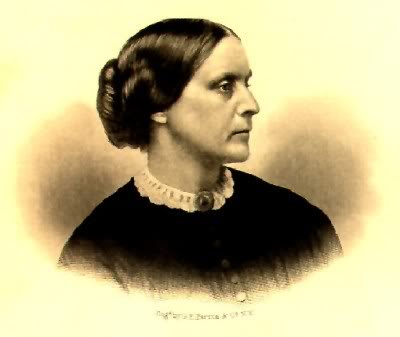
California Lawyer: "In 1868, when the 39th Congress was debating and ultimately proposing the 14th Amendment, I don't think anybody would have thought that equal protection applied to sex discrimination, or certainly not to sexual orientation."What appears problematic is the idea that it is foolish to think "anybody" would have conceived of the Fourteenth Amendment protecting women at that time. Tell it to Susan B. Anthony! As noted in this piece, feminist activists of the time advanced their own interpretation focusing on section 1's use of gender neutral language to make the case that the Fourteenth Amendment did protect suffrage rights, at the very least. This in fact led to a great act of symbolic protest as women activists in 10 states attempted (and in a few cases) succeeded in casting ballots, leading to Anthony being put on trial.
More broadly, we must be wary of statements regarding prevailing views in society which it is said that "everybody" or "nobody" held a certain belief. Such assertions usually consist of taking a certain sub-group of people (often "most white men") and universalizing their perspective to all of society. In doing so, we erase whole populations and histories; making unjust ideas and structures seem a universal norm. Men had greater power in the 1860s and could create laws and social structures enforcing that superiority; that does not mean everyone believed that this was "the way it ought to be."
1 comment:
Paul, I would love to see you do a piece or short series on the rising sentiment beginning to make its way into proposed legislation and soon courts regarding the 14th Amendment and the concept that perhaps no longer should citizenship be granted to those born here, especially with regard to the historical exclusions resolved by it.
Post a Comment